Emergency Radio Long Island
Emergency Communication Training
|
|||||||||||||||||||||||||||||||||||||||||||
| Amateur Radio (HAM Radio) | |||||||||||||||||||||||||||||||||||||||||||
|
About Emergency Radio Long Island's Emergency Communication Training Network |
|||||||||||||||||||||||||||||||||||||||||||
|
Schedule of Ham Nets (original and simulcast) |
|||||||||||||||||||||||||||||||||||||||||||
| Dashboards | |||||||||||||||||||||||||||||||||||||||||||
ALLSTAR/Supermon |
|||||||||||||||||||||||||||||||||||||||||||
| Dashboard: TGIF, NXDN, P25, YSF & M17 | |||||||||||||||||||||||||||||||||||||||||||
| M17 Dashboard | APRS location | ||||||||||||||||||||||||||||||||||||||||||
| Digital and RF Network | |||||||||||||||||||||||||||||||||||||||||||
| CONNECTION TYPE | NODE/ROOM/EXT. # | ||||||||||||||||||||||||||||||||||||||||||
|---|---|---|---|---|---|---|---|---|---|---|---|---|---|---|---|---|---|---|---|---|---|---|---|---|---|---|---|---|---|---|---|---|---|---|---|---|---|---|---|---|---|---|---|
| Note: All modes are linked to the AllStar node | |||||||||||||||||||||||||||||||||||||||||||
| AllStar | Node 62499 Beta Only 63668 use 62499 |
||||||||||||||||||||||||||||||||||||||||||
| Echolink | KC2NJV-L | ||||||||||||||||||||||||||||||||||||||||||
| HAM Over IP | ext. 15077 (*99 to Transmit, # to Receive) |
||||||||||||||||||||||||||||||||||||||||||
| AmateurWire | ext. 90006 (*99 to Transmit, # to Receive) |
||||||||||||||||||||||||||||||||||||||||||
| HamShack Hotline | OFFLINE Permanently as of Aug 29th, 2025 |
||||||||||||||||||||||||||||||||||||||||||
| TGIF | TG 11710 | ||||||||||||||||||||||||||||||||||||||||||
| Yaesu System Fusion | TG 11710 | ||||||||||||||||||||||||||||||||||||||||||
| NXDN | TG 11710 | ||||||||||||||||||||||||||||||||||||||||||
| P25 | TG 11710 | ||||||||||||||||||||||||||||||||||||||||||
| M17 | TG M17-117 B | ||||||||||||||||||||||||||||||||||||||||||
| RF Repeaters connected | K2ERC, Briarwood (QNS), NY 441.400Mhz PL 127.3/127.3 |
||||||||||||||||||||||||||||||||||||||||||
| DAPNET/POCSAG (Ham Pagers) | RIC 38 | ||||||||||||||||||||||||||||||||||||||||||
| AX.25 BBS Packet Network Node | Telnet sbanetweb.com 2323 You must obtain a login! or via RF VHF 145.070Mhz |
||||||||||||||||||||||||||||||||||||||||||
| APRS Logs | Offline7 day log | ||||||||||||||||||||||||||||||||||||||||||
| Emergency Pagers | |||||||||||||||||||||||||||||||||||||||||||
|
Let's talk reality; most hams don't walk around with an HT, nor listen to their radios 24x7. And then with a myriad of choices as to frequency or digital mode or talkgroup, what are they listening to? Pagers, while "old school" are lightweight and can be programmed to listen to a particular Rubric (talk group). In an emergency if you are in RF range of a transmitter, you'll get the page. There is a concept called KISS, an acroynm that stands for Keep It Simple Silly and pagers are simple... For more info about our Pager program. |
|||||||||||||||||||||||||||||||||||||||||||
| APRS | |||||||||||||||||||||||||||||||||||||||||||
|
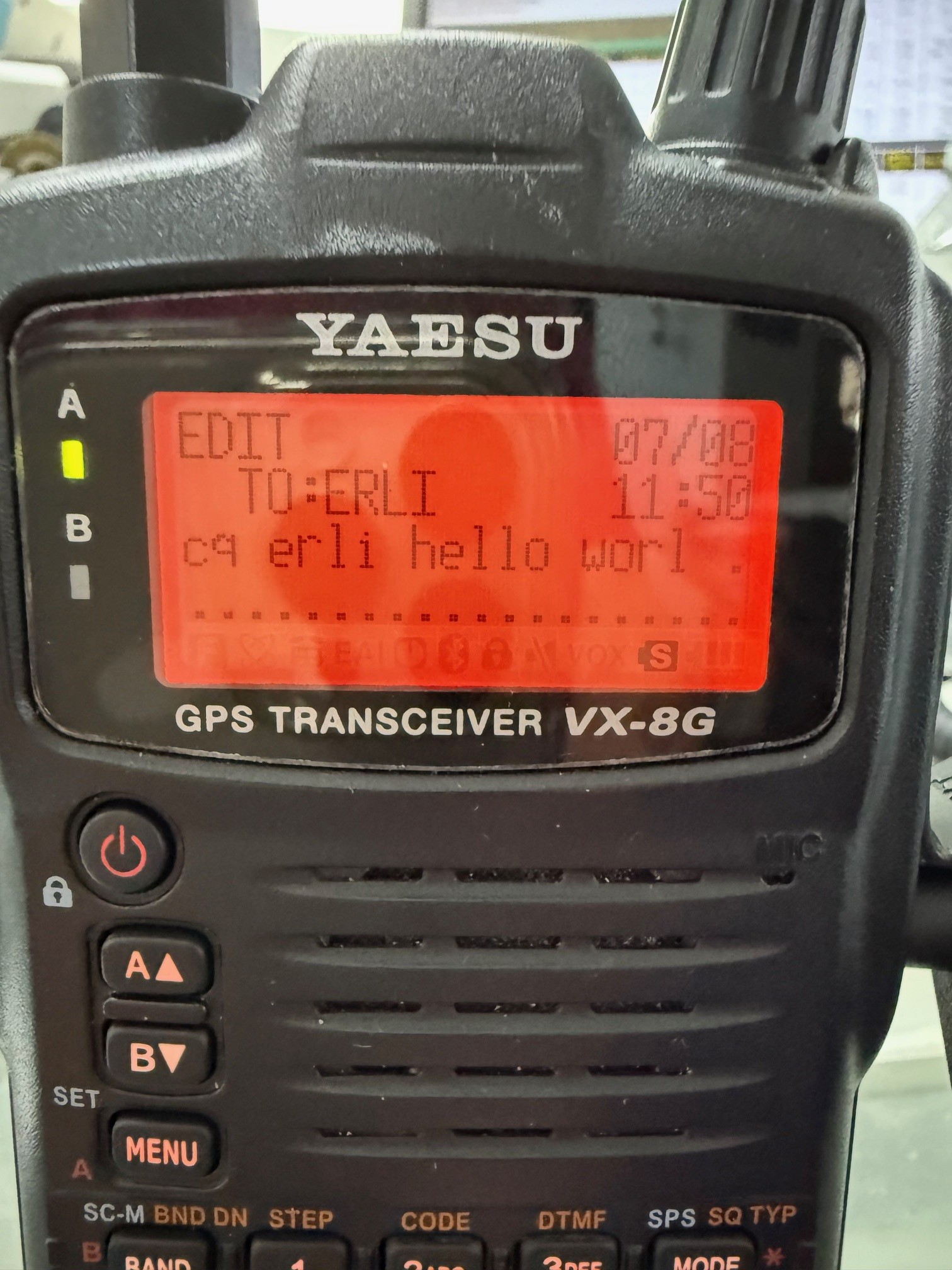
Currently Offline We have setup a APRS iGate, Digipeater and Weather Station with the callsign KC2NJV-10. A iGate takes APRS packets heard via RF and transmits them via the internet to the APRS-IS (APRS Internet System). A Digipeater essentially does the opposite, takes packets heard either on the radio or the internet and forward them via RF. The Weather Station re-transmits the METARs (Meteorological Aerodrome Report) from Farmingdale Airport (KFRG), which is approximately 9 miles from the location of KC2NJV. KJFK (JFK Airport) is 13 miles and has significantly different weather patterns. APRS Text Net APRS is not just position reporting, it can be an important tool in the emergency communication toolbox, along with POCSAG and other Ham modalities. The concept is that this and other Bot lists can be used to notify users of an emergency. Here's an article about APRS I wrote. The system has Store and Forward capabilities. Just like your Cell Text Messaging, if your APRS client is not on, messages will be stored until you turn it on. There after, all message that have not been acknowledged by your client will be resent. Due to a design flaw in APRS itself, APRS-IS only clients (typically for cell phones) don't always get their beacons populated, i.e., your radio will never hear it. As such, we will send every 6 hours all eligible messages to all clients with stored messages. Caveats: a) we only keep 1 day of messages and b) we will only try a message 4 times, c) You can turn on and off this feature For more information Saturday's at 0800ET is the start of the APRS NET. For more information.
We have created an APRS bot (click here for more info here),
that will take messages and re-transmit them to individuals who sign up for the APRS net. One message will go to all who have subscribed.
A BIG Thanks to Ben Jackson, N1WBV for encouraging the rework of the
APRSPH.Net bot published on GitHub.
We may send out multiple Bulletins, Beacons and system updates daily. This DOES NOT MEAN YOU ARE SUBSCRIBED. You must specifically do that yourself.
| |||||||||||||||||||||||||||||||||||||||||||
| AX.25 | |||||||||||||||||||||||||||||||||||||||||||
|
Our AX25 node is running LinBPQ BBS on our AX.25 Raspberry Pi. It has a 44.xxx Ham Radio special IP address that will allow you to connect to mulitple BBS and other packet nodes. Node Info
The node is available vua RF (145,070Mhz) and via Telnet.
Connection Instructions:
Resources:
To Get Started:
To talk to a Packet BBS or Chat room without using Telnet or Direwolf, you need two layers of software: a modem/engine (to handle the radio connection) and a terminal (the interface where you actually type). Since you are skipping Direwolf (a software modem), I am assuming you have a Hardware TNC (like a Kantronics, MFJ, or Mobilinkd) connected via Serial or USB.Here is the minimum software setup: 1. The "Modem" Layer (The Engine) If you aren't using Direwolf, you need a way for your computer to talk to your hardware TNC. Windows: AGWPE (AGW Packet Engine) is the classic choice. It acts as a "traffic cop" that sits between your hardware TNC and your terminal software. Linux: The AX.25 Kernel Stack. This is built into most Linux distros. You use a tool called kissattach to link your hardware TNC to the operating system's networking. 2. The Terminal (Where you type) Once the engine is running, you need the actual "chat" window. Multi-Platform (Windows/Mac/Linux): QtTermTCP: Created by G8BPQ. Despite the "TCP" in the name, it has a "KISS" mode that talks directly to serial TNCs. It’s arguably the most modern and popular choice for BBS/Chat. Paracon: A lightweight, Python-based terminal that is very easy to set up for basic keyboard-to-keyboard or BBS interaction. Windows Only: AGWTerm: The companion to AGWPE. It’s old-school but works flawlessly for basic BBSing. EasyTerm: Part of the UZ7HO "Soundmodem" suite, but it can be configured to talk to other engines. Linux Only: axcall: The bare-minimum command-line tool. You just type axcall [port] [callsign] and you’re in. Linpac: A more advanced terminal that uses an "Ncurses" (text-menu) interface. A quick heads-up: If you are using a Hardware TNC, make sure it is in KISS Mode (for AGWPE/Linux) or Command Mode.
Special Thanks:
| |||||||||||||||||||||||||||||||||||||||||||
| AUXCOMM Resources | |||||||||||||||||||||||||||||||||||||||||||
| Aux Emerg Comm | AuxComm Student Info | ||||||||||||||||||||||||||||||||||||||||||
| Natl Emerg Comm Plan (NECP) | NECP Resources | ||||||||||||||||||||||||||||||||||||||||||
| Emerg Comm Coordination | |||||||||||||||||||||||||||||||||||||||||||
| Digital Resources | |||||||||||||||||||||||||||||||||||||||||||
| TestFlight & Droidstar for IOS (iPhone) |
Droidstar for Windows, Andriod, Mac and Linux |
||||||||||||||||||||||||||||||||||||||||||
| DMR Hero (manual) | |||||||||||||||||||||||||||||||||||||||||||
| Emergency Pagers |
|
ERLI operates two POCASG (DAPNET) transmitters.
POCSAG (Post Office Code Standardisation Advisory Group) is a one-way digital paging protocol used to transmit data to pagers. It's an asynchronous protocol that allows for the transmission of tone, numeric, and alphanumeric messages. POCSAG was developed in the 1980s and is still used in some areas, particularly for critical messaging systems like emergency services. The DAPNET (Decentralized Amateur Paging Network) is a network operated by amateur radio enthusiasts. It links all the Ham Radio pager transmitters together (think AllStar for paging). Ham operators can get their own paging number, similar to a DMR ID. Pages are limited to 80 characters! Thus certain alerts may be truncated or sent in two different page messages. Please Note: Unlike text messages, pages are not stored and forwarded. Thus once a page hits the transmitter, it is broadcast. If you are out of range, you won't receive the page. Some alerts are re-broadcasted due to the time limits we've setup. There is a transmitter in Queens and in Plainview. These transmitters are tuned to 439.9875 MHz. While anyone can listen (decode) Ham radio transmissions, only licensed Hams can send pages. We broadcast alerts on rubric ("talk group") 1038. NOAA weather alerts are on rubric 1081. You need to program your pager. You need to when they have been classified as "major" or "severe", as well as some that are informational throughout the day. Some may never be sent, i.e. Terrorism Advisory, others are daily. A Small article on POCSAGOld is new again, why POCSAG should be part of your emergency and non-emergency Ham arsenel.Other informationIn an emergency, we can broadcast unlimited number of pages.
METAR or SPECI: Indicates whether it's a standard METAR or a special (SPECI) report, which is issued when significant weather changes occur. Airport Identifier: The ICAO (International Civil Aviation Organization) code for the airport or weather station. Date and Time: The first two digits indicate the day of the month, and the last four digits indicate the time in Zulu time (UTC), always in the format HHMMZ. Wind:
Present Weather: Abbreviated codes indicating precipitation, obscurations, and other weather phenomena.
Sky Condition: Indicates the amount and type of cloud cover using abbreviations like FEW, SCT, BKN, OVC. Multiple number by 100 to give altitude, Temperature and Dew Point: Indicates the current temperature and dew point in degrees Celsius. Altimeter: Indicates the barometric pressure at the airport in inches of mercury. Remarks (RMK): Additional information, such as wind shear, runway conditions, or other relevant data. |
|
Example
METAR for: KJFK (New York/JF Kennedy Intl, NY, US) |
|
For More Info:
How to read METARs: PilotMall.com Decoder: AviationWeather.gov Decoder: E6BX.com |
| APRS Text Net Info | |
|
Our rolling 7 day log can be found HERE. Our Registered User List is Here. If you send a text message via APRS to ERLI (example), the following commands apply: Note: I've eliminated the need to add ERLI to all commands EXCEPT "CQ"
Abusive behavior will cause your callsign to be blacklisted |
|
| Install your own Bot | |
|
We've updated and added features to the orginal ioreth bot, and the one used by APRSPH. You can download the bot here: https://github.com/wspivak/aprsbot |
|
| APRS Announcements, Bulletins and Beacons | |
|
We may send out multiple Announcements, Beacons and Bulletins per hour. Plus some Bulletins on holidays.
Only subscribed HRO will receive Announcements. Announcements are sent several times a day, because APRS has no "store and forward" capability (as do cell phones. Think about when you take a flight. When you land you immediately turn your phone back on and get a flood of text messages. That's Store and Forward. With APRS, once a message is released, and you miss it, you've missed it!) Because you receive the Bulletins and/or Beacons DOES NOT MEAN you are subscribed to the ERLI APRS NET! Bulletins and Beacons are part of APRS and are a normal occurrence. Odds are your APRS unit is sending a Beacon. Bulletins
Beacons This is an example of the BOT check: KC2NJV-4>PYBOT1,WIDE1-1,WIDE2-2:>At 2025-07-05 10:55:39 UTCEDT: Uptime 04h56m36s, Inet:Ok DNS:Ok And these go out at different intervals (you'll see the info in the quotes):
CBEACON sendto=0 EVERY=15:00 DELAY=1 via=WIDE1-1,WIDE2-1 info="!4039.39N/07331.38W#Send a MSG to ERLI, CQ ERLI for APRS Net!"
|
|
| The Ham NET using the APRS Bot | |
|
As mentioned, the APRS NET is Saturday's at 0800ET. Send a message to ERLI, remember to use the pro-word MSG at the beginning, and in about 63 characters say what you want.
If you'd like, you can answer someone either directly (use their call sign) or reply to the group (remember, pro-word MSG must be the first word). Have fun! |
|
System maintained by Wayne, KC2NJV